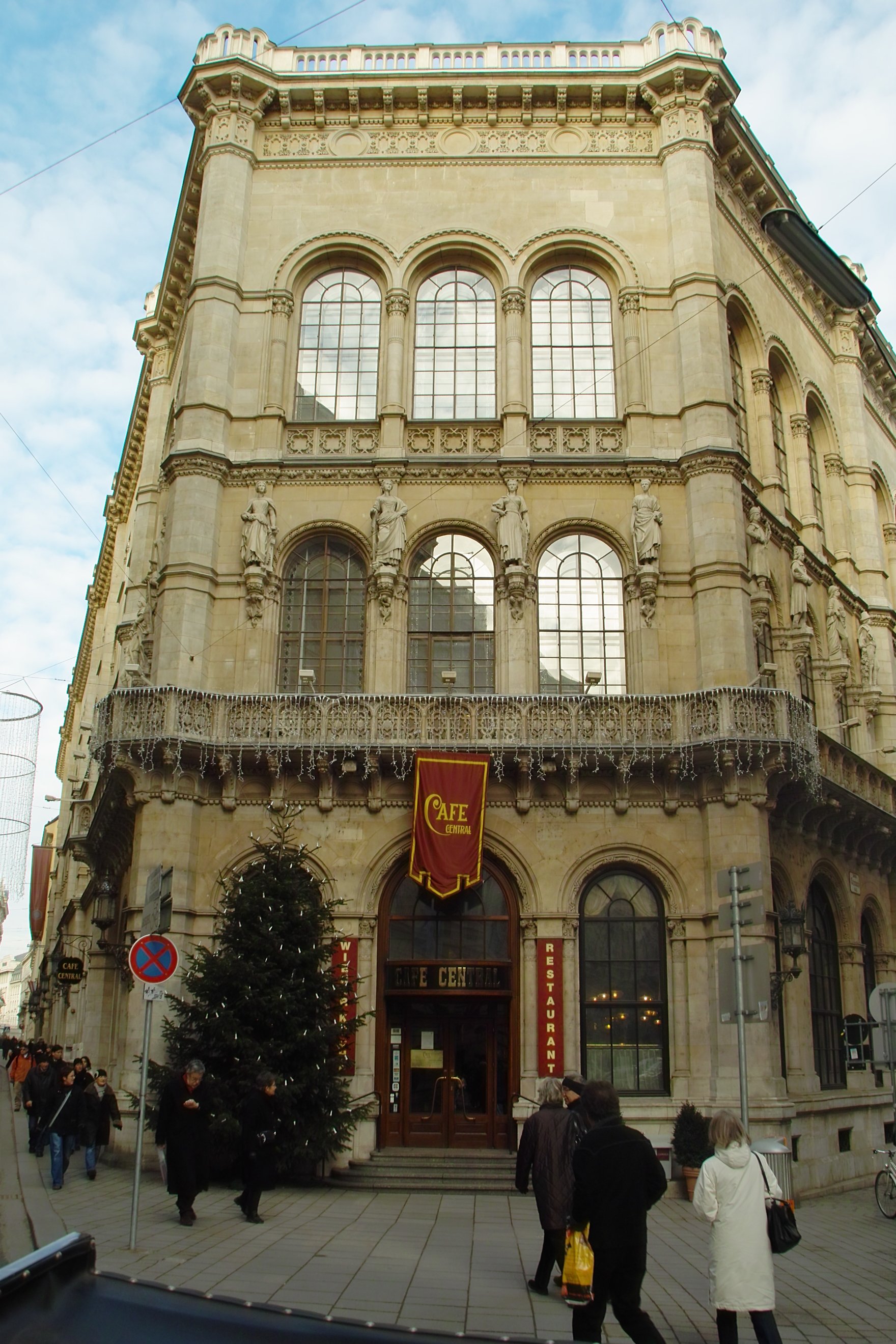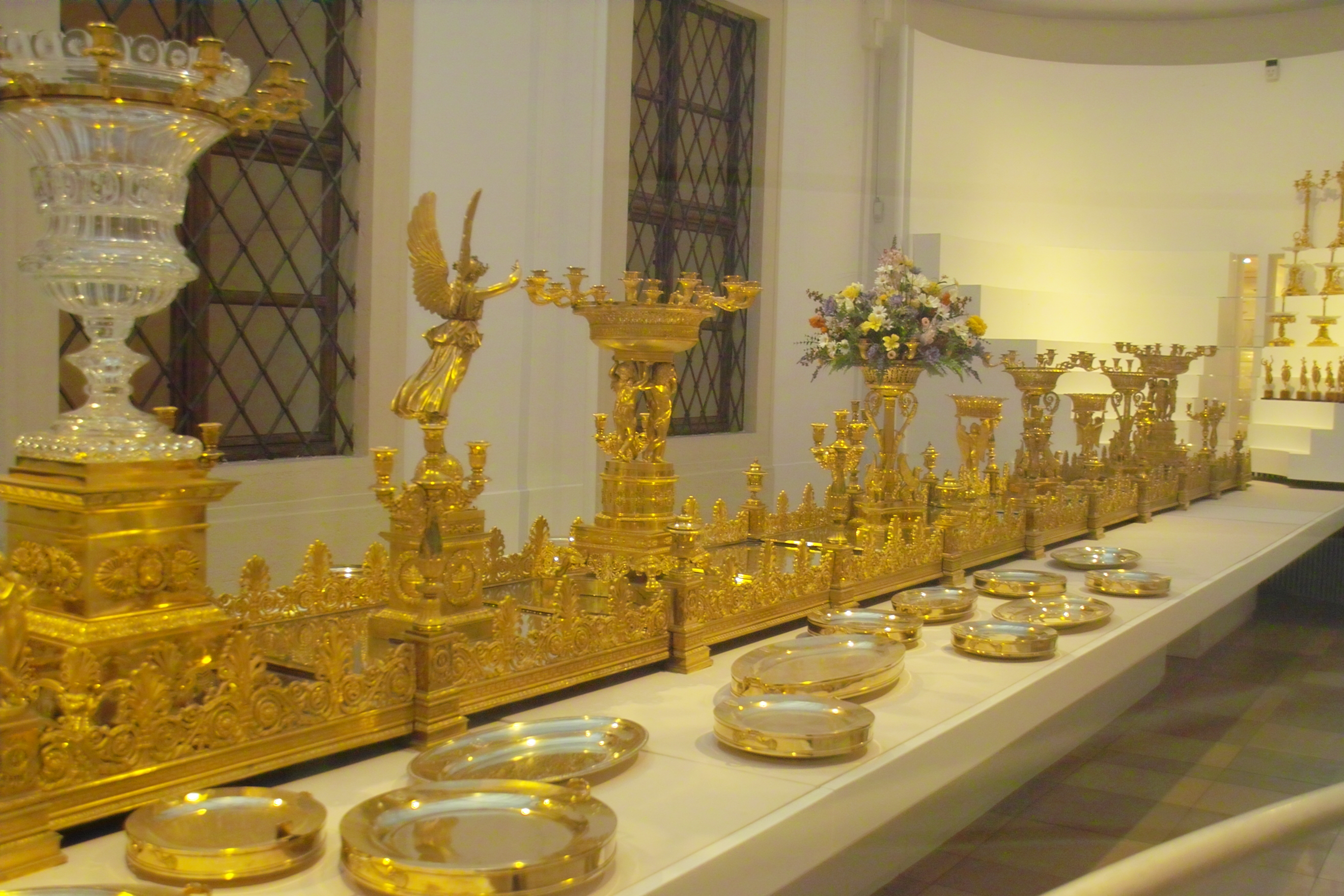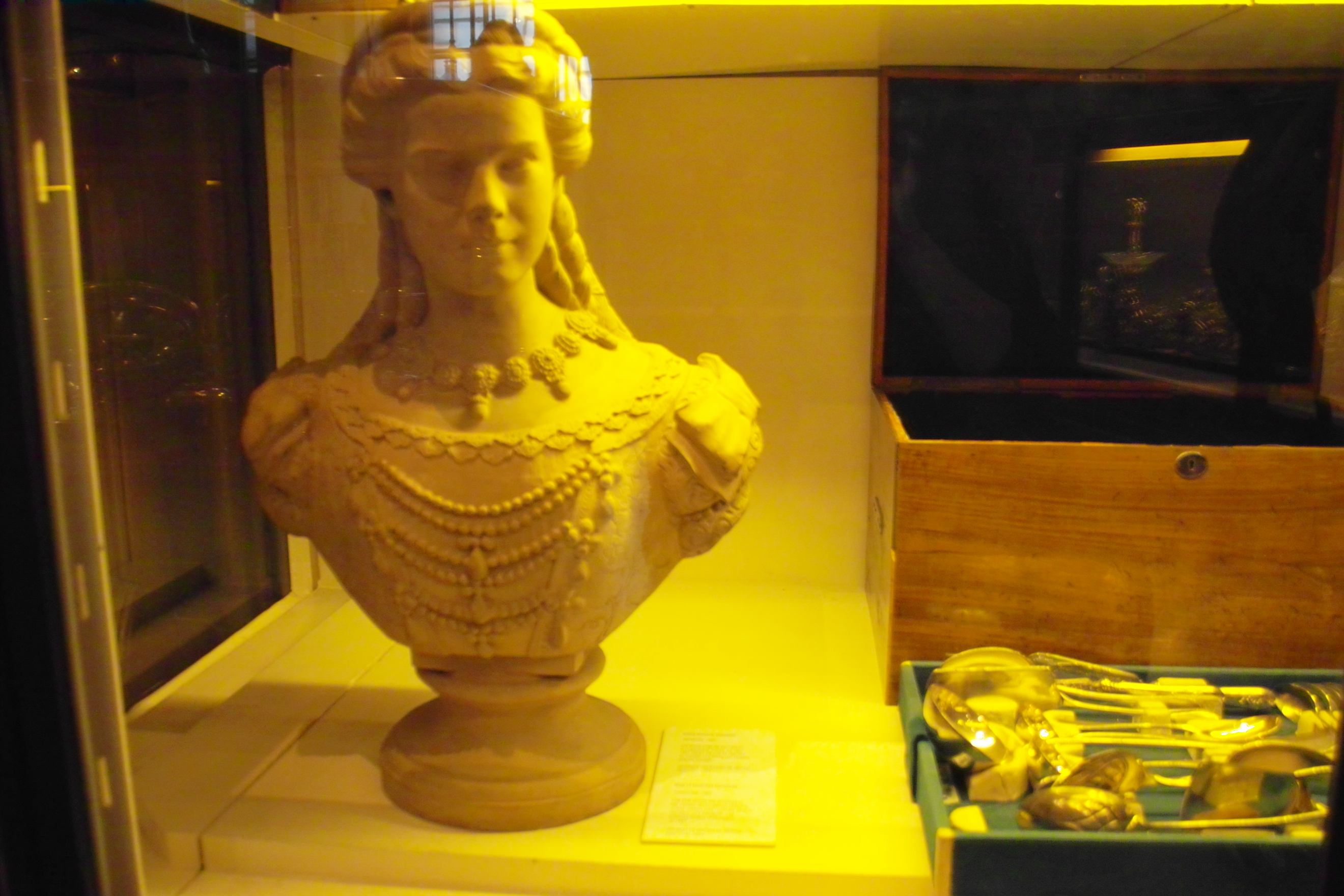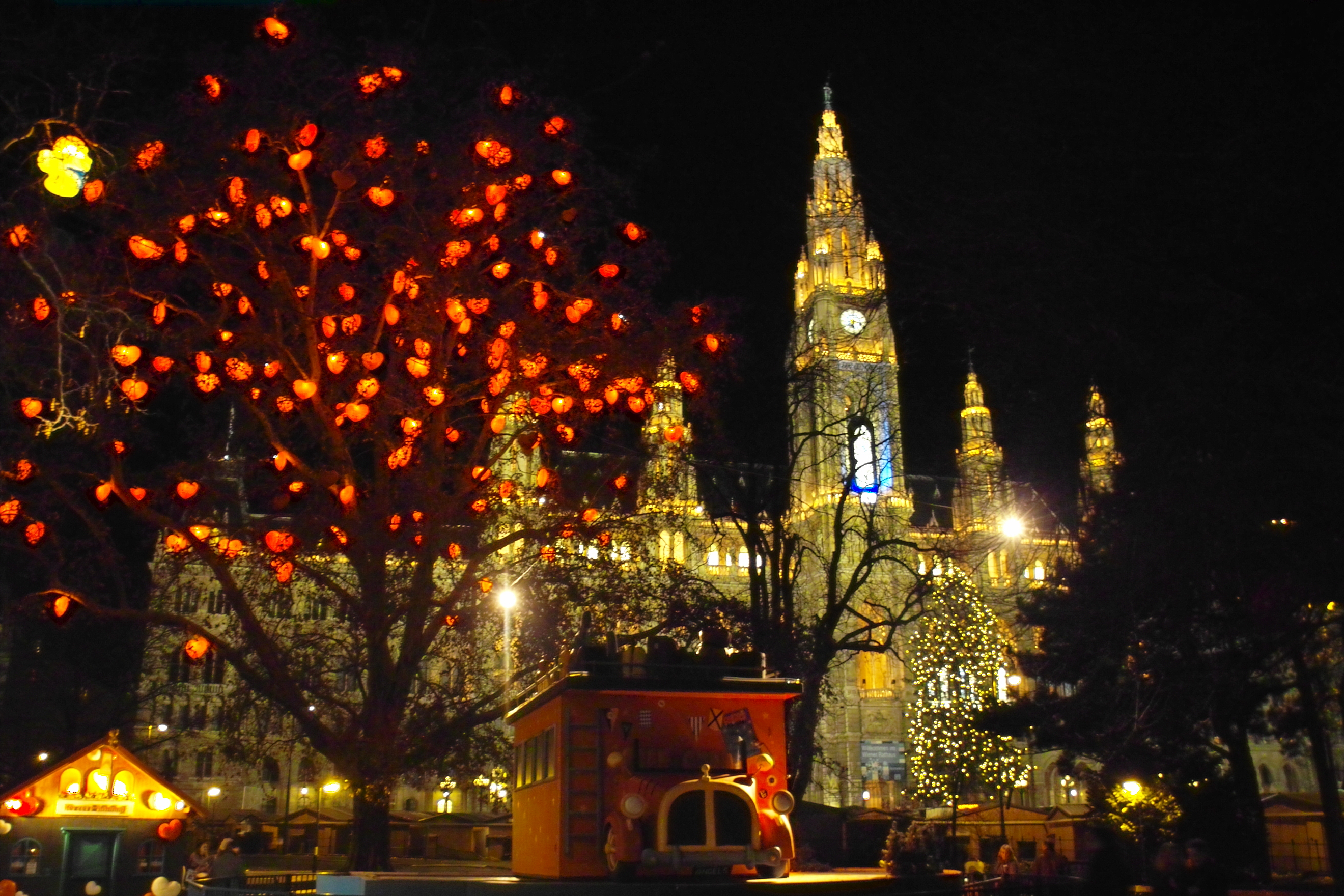
For a coffee lover and history enthusiast, the coffee experience in Vienna is absolutely unique. The literary café culture that built the reputation of Vienna fin de siecle (fueling the bubbling kettle of unprecedented ideas in psyche, arts, music and architecture), remains unmatched.
Admittedly, Paris invented the “salons littéraires”, where ideas were discussed among a group of happy few, mostly from the upper class (what else)sipping costly beverages such as coffee, chocolate and tea in costly porcelain cups and silver tea or coffee sets. Later, the coffee houses were a good excuse to discuss philosophy, business and politics (think the Procope). The revolution of 1789 put a brutal halt to this fashion, and politically inclined cafe goers disappeared. Paris has specific coffees : the “café créme” (espresso with hot milk + foam) and the “café noisette”(espresso with a drop of cold milk)
Italy brought to the world the dolce vita and perfected it to an art, reflected in the maravigliosa creation of the macchiatto (among others) and the numerous delicious pastries that can be enjoyed with it, under the sundrenched porches of splendid places adorned with unsurpassed architecture.
Vienna, however, did something neither Paris nor Rome ever did: it turned the café into an institution and the coffee choice into a real menu. The Viennese coffeehouse was never only a place to drink coffee. It was a second living room, an office, a library and a stage. One could sit for hours over a single cup, read every newspaper on the rack, and never be hurried, a courtesy so entrenched that UNESCO added Viennese coffeehouse culture to its Intangible Cultural Heritage list in 2011. The coffee tradition remains indissociable with the comprehensive varitions of its base, the espresso or doppio espresso.
A Viennese coffee menu can be intriguing, and deserves to be explored. The choice uniquely encompasses the 350 year relationship Vienna has with these exotic beans and the names of the variations tell of how deep this relationship has developped, to reach every level of the Viennese society, since the Siege of Vienna in 1683, and I’ve written about it. Vienna’s enduring love for coffe was built on the countless sacks of curious beans the fleeing Ottomans left behind them, after the Polish Winged Hussars of King Jan III Sobieski of Poland led a decisive charge on September 12, of that year.


Any of the historical cafés in Vienna can become a favorite, and the choice can be difficut. Yet the historic cafés have become victim of their success, and often now, during peak season, a reservation is mandatory.
And Vienna peak season is all year round.
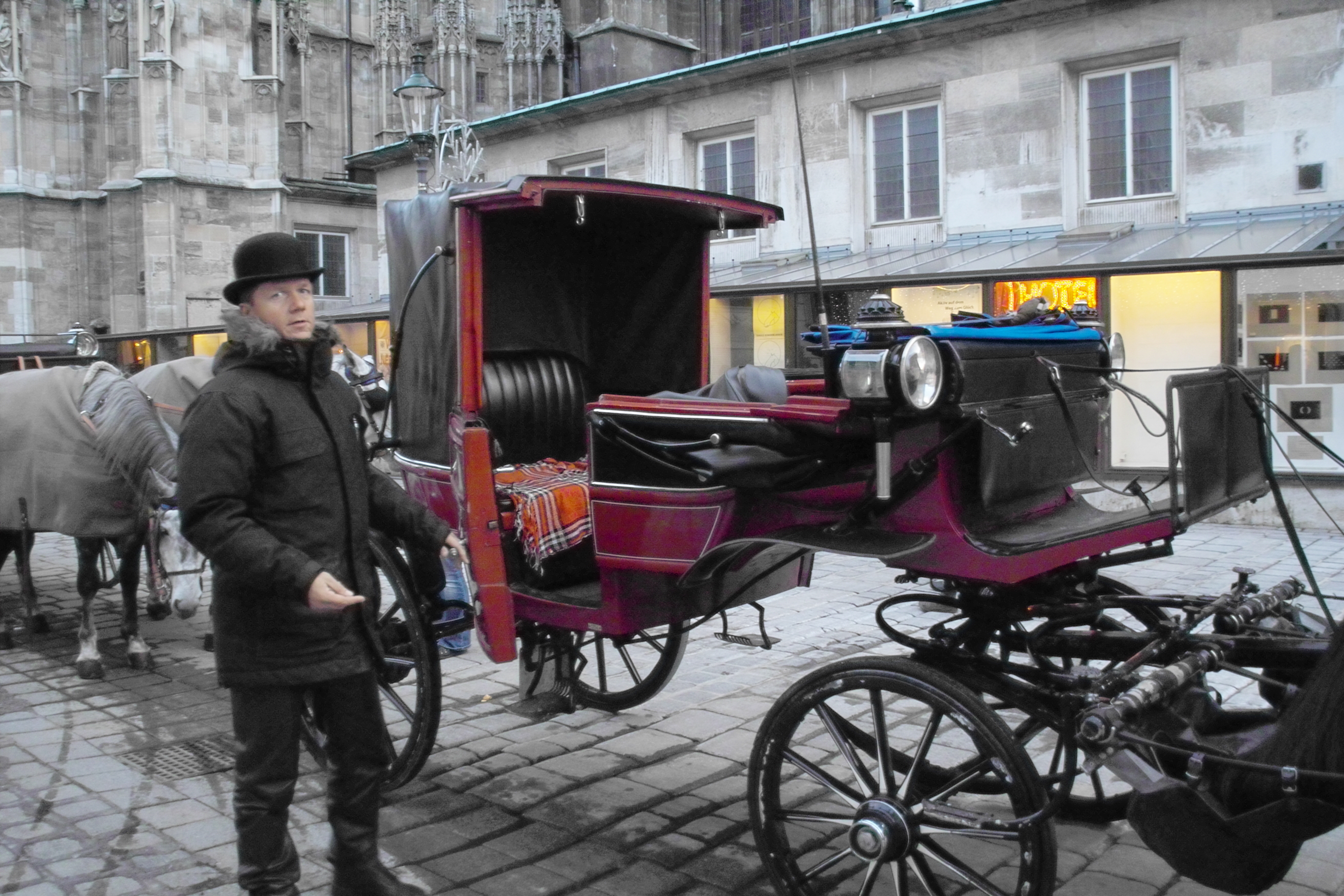
The traditional coffee menu in every café offers the classics : the Melange, the Einspänner (milk coffee with whipped cream), the Kapuziner (black with thick whipped cream served in a glass for the looks, calling to mind the robes of the Franciscan monks), the Fiaker (black with whipped cream with a dash of liquor, a favorite warming beverage among the Coaches in their horse carriage, or Fiaker), and the Kaisermelange, nowadays sadly seldom listed in the Menu, and which is often listed as a unique Viennese specialty, consisting of an espresso mixed with a raw egg yolk, sweetened with honey and fortified with liquor such as Cognac, brandy, or rum. It was on offer almost everywhere, it has now become a rarity. Sometimes a traditional double mocca with whipped cream (a classic) is given a different name across several cafés. No biggie, the taste remains intact.


Numerous cafés had the brilliant idea to create a uniquely theirs coffee specialty, like the Franz Landtmann Kaffee in the Landtmann, the Oma Kaffee at the Sperl, the Barbara Gertsner coffee or Anton Gerstener coffee at Gerstner. This adds of course a sense of uniqueness and helps differentiates (apart from the decor and the atmosphere) the offer, in an otherwise relatively unified set of coffee preparations.The tradition has become somewhat challenged by the current trend, and many cafés’ coffee menus have shortened their once comprehensive coffee offer only to increase their smoothie, matcha or matcha-style section. Trend or traditon, there is a public for both, yet it would be a pity to make one disappear for thebenefit of the other. After all, Vienna enthusiasts and tourists want the full coffee experience, particularly since the ubiquitous matcha smoothie can be enjoyed in a growing number of waterholes in any other place in the world, even at home.
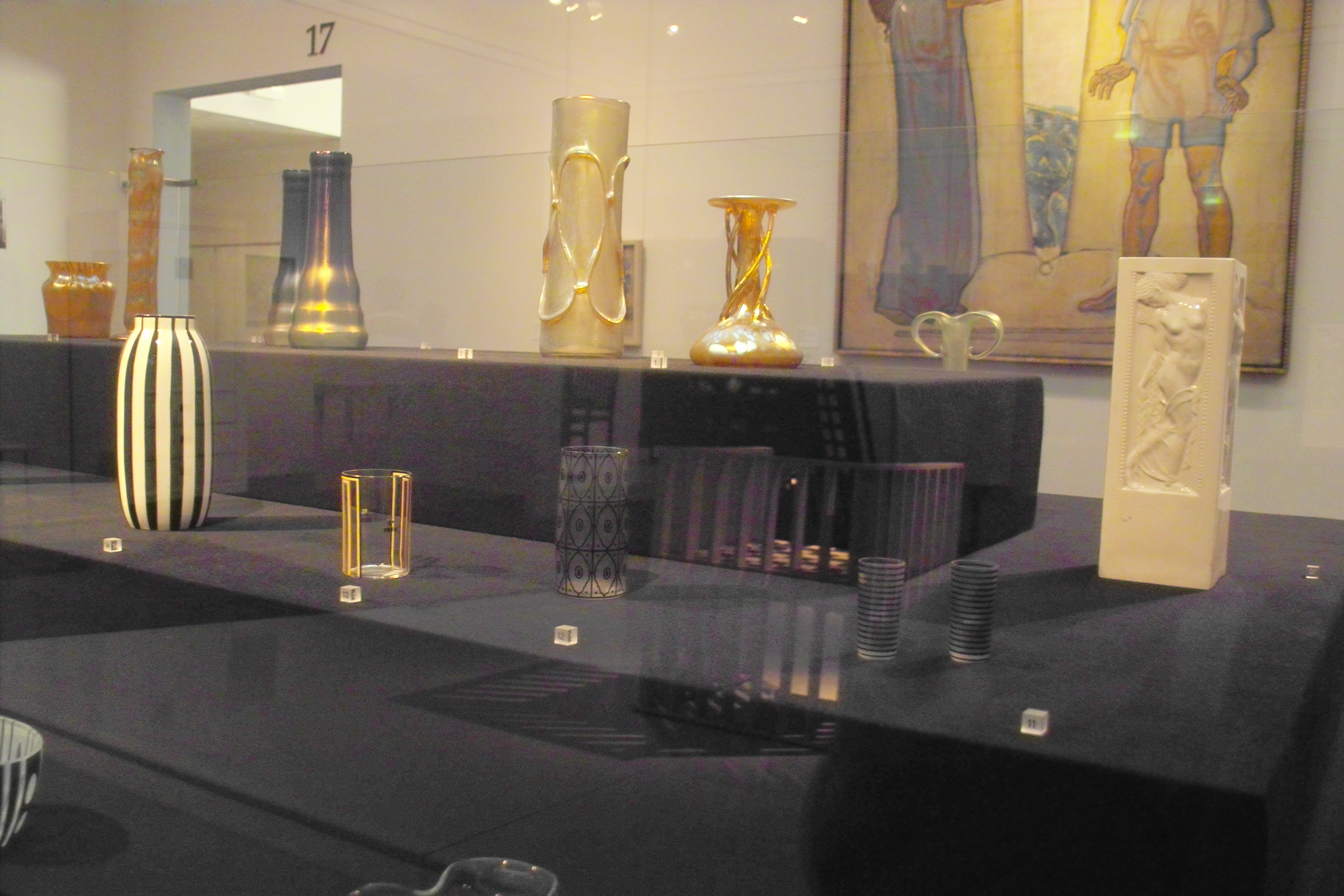
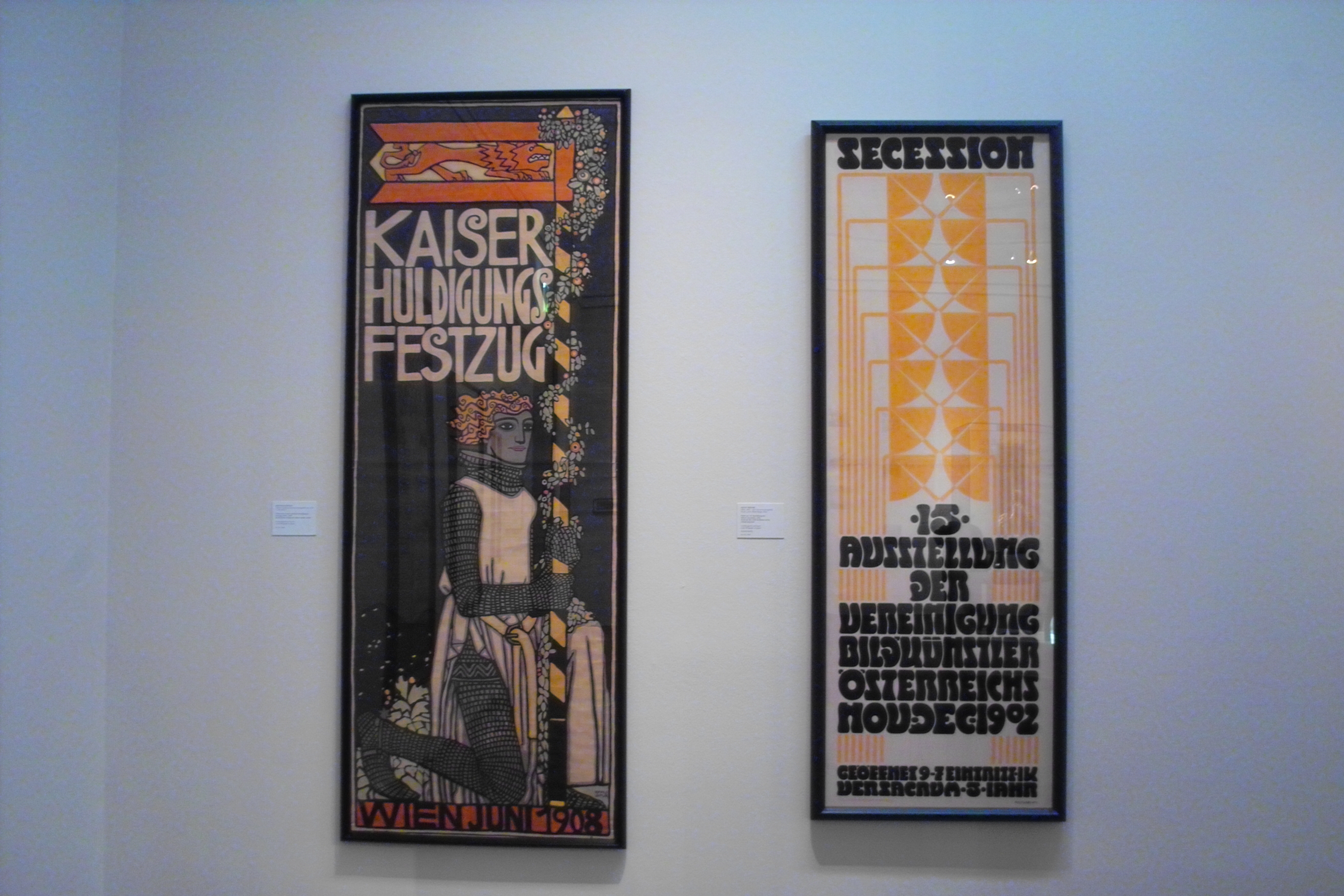
Every major figure in Vienna fin de siecle had their “Lieblingscafé” (cherished or favorite café). the Café Central, with its airy salle was the lair of intellectuals and writers, such as Peter Altenberg (who even had his mail delivered there), Sigmund Freud, Arthur Schnitzler, Stefan Zweig, Alfred Polgar, and Leon Trotsky. The Edwardian atmosphere of Sperl, witnessed the early founders of the Vienna Secession feverishly discuss their blossoming movement in 1897, alongside actors and architects (Klimt, Moser…) . Kokoschka, politicians (Julius Raab, authors like Thomas Mann, and musicians such as Gustav Mahler were regulars at the café Landtmann . Around 1900, the Café Museum, opened in 1899 and designed by Adolf Loos, became another meeting point for Klimt, Schiele, Otto Wagner, Franz Lehár and the Secession circle. The austere interior earned it the nickname “Café Nihilismus.”
Even before the joyous and morbid decadence of the 19th century, Vienna’s coffehouses welcomed famous guests : W.A. Mozart and L. van Beethoven were frequently seen at Café Frauenhuber (the oldest café and still almost untouched by modernity) in 1782–1791.
The ritual remains today as it has matured over time : quietness, coziness, a moment of one’s own, a porcelain cup or a glass (to enjoy the contrast between coffee and cream), a big crown of whipped cream, and a glass of cold water served alongside, to cleanse the palate between sips and to remind you that nothing here is rushed.
The slice of cake should not be missed. But don’t miss the opportunity to pair it with a fluffy pastry either.
In this regards, Viennese confectionners and Pastry chefs working at the “Konditoreien” or “Zuckerbäcker” (literally: sugar baker) know their craft, they extremely rarely disappoint. Most pastry shops double as Café. Try Demel (est.1786), Heiner (est.1840), Gertsner (est.1847), Sluka (est.1891), or Oberlaa (est.1974), to name a few among the most sought after. Crème de la Crème is a fairly player (2017), but a serious one.
As I come to a close, I must lastly mention Aida, which is a bit of a UFO in the sea of historically charged cafes intrically entangled with art, politics, and humanities. No outstanding or famous personna is particularly linked to Aida’s, and it’s all right. Aida has a uniqueness in and of its own. It is both a Konditorei and a Café and most importantly, Aida was the first Café chain to be established in Vienna, in 1913. The Aida flagship konditorei set up shop in the 9th district, followed by a Chocolaterie and several shops followed suit. Before WW1, 10 shops were up and running, only to be destroyed during the bombing of Vienna. But Aida went up back again,. A Namesake of the Opera by Verdi, Konditorei Aida’s fate mirrored in a curious way some of the ordeals and triumphs of Verdi’s heroine. Later, Aida’s founder son, Felix Prousek was also one of the first to introduce theItalian -style coffee and espresso machine in Austria. Several locations have been closed, but many remain with an enjoyable vibrancy. The pink and cream with coffee brown decor brings a pop of joy and their fluffy, light Kardinal Schnitte is still a favorite of mine.
Aida, in my mind and certainly for the well traveled English reader, can be likened – down to the shutting down of several of their locations too – to the once also prolific pastry-shops cum cafe Patisserie Valerie (est. 1926) in London. Both have a je-ne-sais-quoi of old-fashionnedness, excellent quality and an appreciated affordability, as well as a warm welcome. Quite the lovely combo.


While you cannot import the marble tables or the fin de siècle genius of the Imperial city, you can borrow the ritual of old Vienna and recreate it at home.
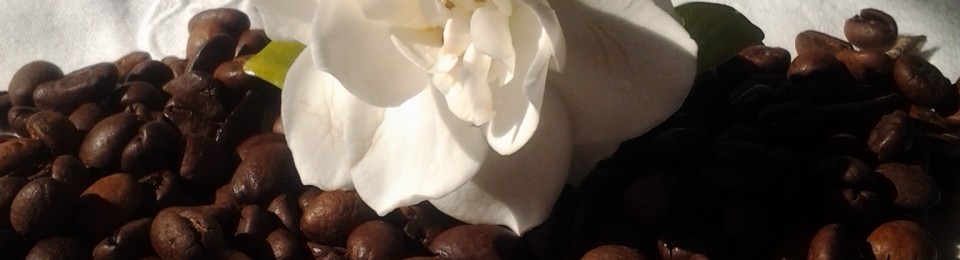
A dedicated cozy corner, with comfy cushions, equipped with a competition coffee maker, excellent coffee of course (I recommend bringing back home packets of your favorite coffee bean brand, either bought at the Café itself when available or in a grocery store, I, for one, favor Meinl), a foam whisk, maybe a good book, good porcelain, a proper espresso base and a massive dollop of cream is all it takes to turn coffee time into a small act of resistance against hurry.

Enjoy the flavor, enjoy the moment, a slice of heaven in a cup.